Hormone Bliss · Free Guide

Osteopenia is a warning — not a life sentence.

You had a bone density scan. The report says osteopenia. Now what? First, don't panic — it means your bone density is lower than expected. Think of it as a yellow warning light, not a blown engine. This is the plan to find out why, slow it down, and lower your fracture risk.

Instant PDF · No spam · Unsubscribe anytime

Woman in her 60s walking confidently with a rollator walker in soft window light
Dr. Tammy
"You cannot fix what no one bothers to look for."
— Dr. Tammy
By the numbers · CDC + KFF

A hip fracture at 70 is not a small event. It changes the rest of life.

These are not scare-tactic numbers — they are the public-health reality of bone loss that wasn't caught early. The whole point of taking osteopenia seriously is to never meet the column on the right.

258,000
Hip fractures reported among U.S. adults 65+ in a single recent year.
$30B
Annual U.S. healthcare cost of falls in older adults. Falls cause 95% of hip fractures.
95%
Of hip fractures are caused by falls — not by the bone failing on its own.
75%
Of fragility fractures are sustained by women. White and Asian women carry the highest hip-fracture risk.
1 in 3
Adults 65+ fall each year. 20–30% of those falls cause moderate to severe injury.
20%
Of hip-fracture patients die within one year of the injury. Half never regain prior independence.

Sources: U.S. Centers for Disease Control and Prevention; KERA / Kaiser Family Foundation reporting on falls in adults 65+.

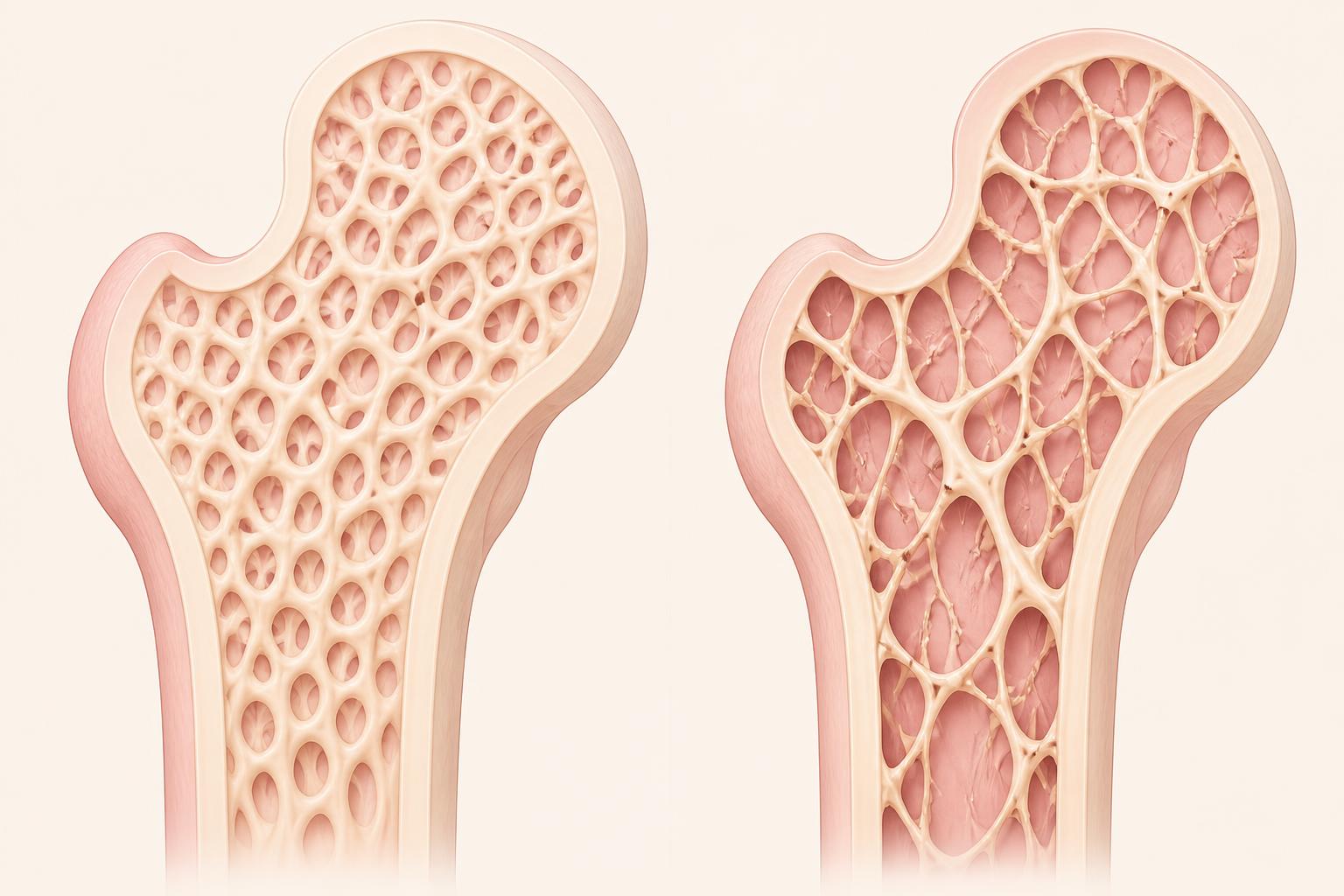
Cross-section comparison of healthy dense bone versus thin, porous osteoporotic bone
Healthy bone
Dense trabecular scaffold
Osteoporotic bone
Thinned, porous, fragile
What osteopenia means

Bone is living tissue. Estrogen used to keep the balance.

Your body removes old bone and builds new bone every day. During menopause, falling estrogen can tip the balance — bone is torn down faster than it's replaced. Osteopenia sits between normal bone density and osteoporosis, and a T-score compares your bones to those of a healthy young adult. It's an important starting point, not the whole story.

Don't stop at the T-score

The FRAX calculator estimates your 10-year chance of a major fracture by combining bone density with age, weight, history, medications, smoking, alcohol, and prior fractures. Two women can have the same T-score and very different fracture risk — which is why FRAX, not the scan alone, often drives the treatment decision.

0 to −1
Bone score that means your bones are strong and healthy
−1 to −2.5
Bone score that means your bones are getting thinner (osteopenia)
−2.5 or lower
Bone score that means your bones are weak and break more easily (osteoporosis)
Age 65
When most women should get their first bone scan
Why bones thin in midlife

Four reasons bone loss accelerates — and most aren't "just aging."

🦴
Falling Estrogen

Estrogen is the brake on bone breakdown. When it drops in menopause, the brake releases and bone is torn down faster than it can be rebuilt.

🍽️
Low Protein & Nutrients

Bone isn't just calcium — it's a protein scaffold. Low protein, poor absorption, celiac, or crash dieting all quietly demineralize the skeleton.

💊
Medications & Conditions

Long-term steroids, overtreated thyroid, parathyroid disease, PPIs, and certain cancer treatments accelerate bone loss in the background.

🛋️
Too Little Loading

Bone needs a challenge to stay strong. Long stretches without resistance training or impact tell the body it doesn't need the skeleton it has.

Look for the reason behind the bone loss

The workup most women never get

Sometimes the problem is low estrogen. Sometimes it's poor absorption, overtreated thyroid, low protein, a medication, or a parathyroid problem. A DEXA result is one piece of the puzzle — ask for the rest.

DEXA scan

Bone density at hip, femoral neck, lumbar spine (and forearm if needed). Painless, low radiation.

FRAX score

10-year fracture risk combining DEXA, age, weight, history, meds, smoking, alcohol.

Vitamin D (25-OH)

Foundational — low D means poor calcium absorption regardless of intake.

Parathyroid hormone

Hyperparathyroidism quietly erodes bone and is very treatable once found.

Thyroid panel

Hyperthyroidism and overtreated hypothyroidism both accelerate bone loss.

Calcium + kidney function

Serum calcium and renal function guide both diagnosis and treatment safety.

Celiac screen

Silent celiac is a classic hidden cause of low bone density in midlife women.

CBC + liver tests

Rules out broader causes of malabsorption, anemia, and chronic inflammation.

Phosphorus + magnesium

Both are essential bone minerals and cofactors for vitamin D activation.

Sex hormone evaluation

Estrogen status matters — especially early menopause, POI, or surgical menopause.

24-hour urine calcium

Used in selected patients to assess absorption and stone risk before treatment.

The gold-standard test

The DEXA scan, in plain English

DEXA (dual-energy X-ray absorptiometry, sometimes "DXA") is a quick, painless low-radiation scan that measures bone mineral density — usually at the hip, femoral neck, and lumbar spine, sometimes the forearm. It's the test that gives you a T-score and a Z-score, and it's the cornerstone of any modern osteoporosis workup.

How much radiation?

About 1/10th of a standard chest X-ray — less than a cross-country flight.

How long does it take?

Usually 10–20 minutes, fully clothed, lying still on a padded table.

What's a T-score?

It compares your bones to a healthy 30-year-old. Think of it like a report card for your bones. A score of 0 to −1 means your bones are strong. A score between −1 and −2.5 means your bones are getting thinner. A score of −2.5 or lower means your bones are weak and can break more easily. (The minus sign means below average — the bigger the number after the minus, the thinner the bones.)

What's a Z-score?

It compares your bones to other people the same age and sex as you. If this score is very low, it's a clue that something other than aging — like a medicine or another health problem — may be causing the bone loss.

Who should be scanned?

All women 65+, men 70+, and anyone younger with risk factors: early menopause, steroids, fractures, low BMI, family history.

How often to repeat?

Often around every 2 years. Stable, mild osteopenia waits longer; rapid loss, new fracture, or new meds — sooner.

Adapted in part from patient-education materials by the Cleveland Clinic on DEXA / DXA bone-density testing.

Beyond the scan

Blood & urine tests for osteoporosis — what they actually tell you

If you're over 50, your clinician may order blood and urine work alongside a DEXA. These labs assess your current bone-health environment, hunt for the cause of bone loss, and — if you're already in treatment — show whether the plan is working. Many of them are easy to add to routine bloodwork, which makes early diagnosis far more accessible than a full imaging panel.

Calcium

Serum calcium screens for deficiency or hidden hyperparathyroidism. Persistently low calcium accelerates bone loss; persistently high calcium points to a parathyroid problem worth chasing down.

Vitamin D (25-OH)

Vitamin D is what lets your gut absorb calcium. You can eat sardines all day — if your D is low, the calcium walks right past your bones.

Bone-specific ALP (BALP)

An estimate of how fast bone is being built. Very high BALP in an older woman usually signals rapid turnover and bone loss, not healthy remodeling — sometimes 2–3× the normal range in active osteoporosis.

Osteocalcin

Made by osteoblasts and tightly bound to calcium. Elevated free osteocalcin in postmenopausal women suggests poor mineralization and is increasingly used to monitor response to therapy.

Urinary NTX (uNTX)

A bone-resorption marker. High uNTX = bone being torn down faster than rebuilt, and is an independent predictor of fracture risk in postmenopausal women.

CTX, P1NP, DPD

Additional turnover markers (C-telopeptide, P1NP, deoxypyridinoline, pyridinium crosslinks) used to track whether treatment is actually working between DEXA scans.

TSH + Free T4

Overactive thyroid — and overtreated hypothyroidism — quietly accelerate bone loss. Always part of an honest osteoporosis workup.

Parathyroid hormone

Hyperparathyroidism is one of the most missed causes of unexplained bone loss. It is treatable. Don't skip the PTH.

FSH + sex hormones

Confirms menopausal status and flags early estrogen loss — the single biggest accelerator of bone loss in women.

Protein electrophoresis

Screens for multiple myeloma and related blood disorders that secretly dissolve bone in older patients with unexplained osteoporosis or back pain.

Bottom line

Blood tests don't replace a DEXA — but they make it more powerful. They are sensitive, repeatable, and can catch problems (silent hyperparathyroidism, low D, high turnover, myeloma) that a single scan would miss entirely.

2-minute self-check

How loud is your warning light?

The first two are red flags — a low-trauma fracture or noticeable height loss is treated as osteoporosis until imaging proves otherwise. Answer honestly. Not a diagnosis.

  1. Have you had a fracture from a minor fall or bump after age 45 (wrist, hip, spine, rib)?
  2. Have you lost more than 1.5 inches of height, or noticed your upper back rounding forward?
  3. 01
    Are you in perimenopause, menopause, or postmenopause (or within 10 years of your last period)?
  4. 02
    Did you go through menopause before age 45, or have your ovaries removed?
  5. 03
    Is there a parent or sibling with osteoporosis or a hip fracture?
  6. 04
    Are you small-framed, thin (BMI under 21), or have you been very low-weight in the past?
  7. 05
    Have you taken corticosteroids (prednisone) for 3+ months, or PPIs / SSRIs long-term?
  8. 06
    Do you smoke, or drink more than 2 alcoholic drinks per day?
  9. 07
    Do you have thyroid, parathyroid, celiac, IBD, or rheumatoid arthritis?
  10. 08
    Are you mostly sedentary — little walking, no resistance training, no impact?
The 8 levers · without medication

How osteopenia can be managed before any prescription

Many people with osteopenia don't need osteoporosis medication. Treatment depends on total fracture risk — not one number on a scan. These are the highest-leverage areas to address first.

Lift Something Heavier Than Your Purse
01 · Strength · 2–3×/week

Lift Something Heavier Than Your Purse

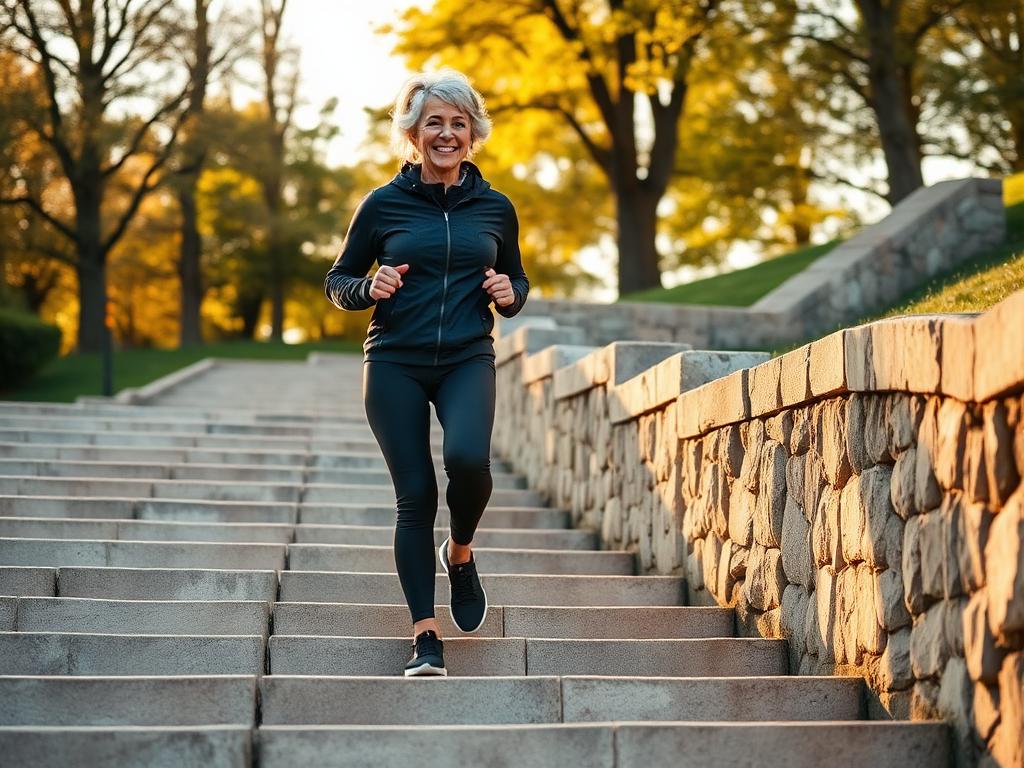
Bone responds to a challenge. Resistance training tells your body, "we still need this skeleton." Build a routine around squats or sit-to-stands, lunges, hip hinges, rows, presses, and loaded carries.

30–45 min × 2–3/week
Add Safe Impact
02 · Impact · daily

Add Safe Impact

Bones also respond to impact. Brisk walking, stair climbing, dancing, hiking, or gentle hopping — chosen for your level. Anyone with osteoporosis, spinal fracture, or high fall risk needs individual guidance first.

20–30 min, most days
Eat Enough Protein
03 · Nutrition

Eat Enough Protein

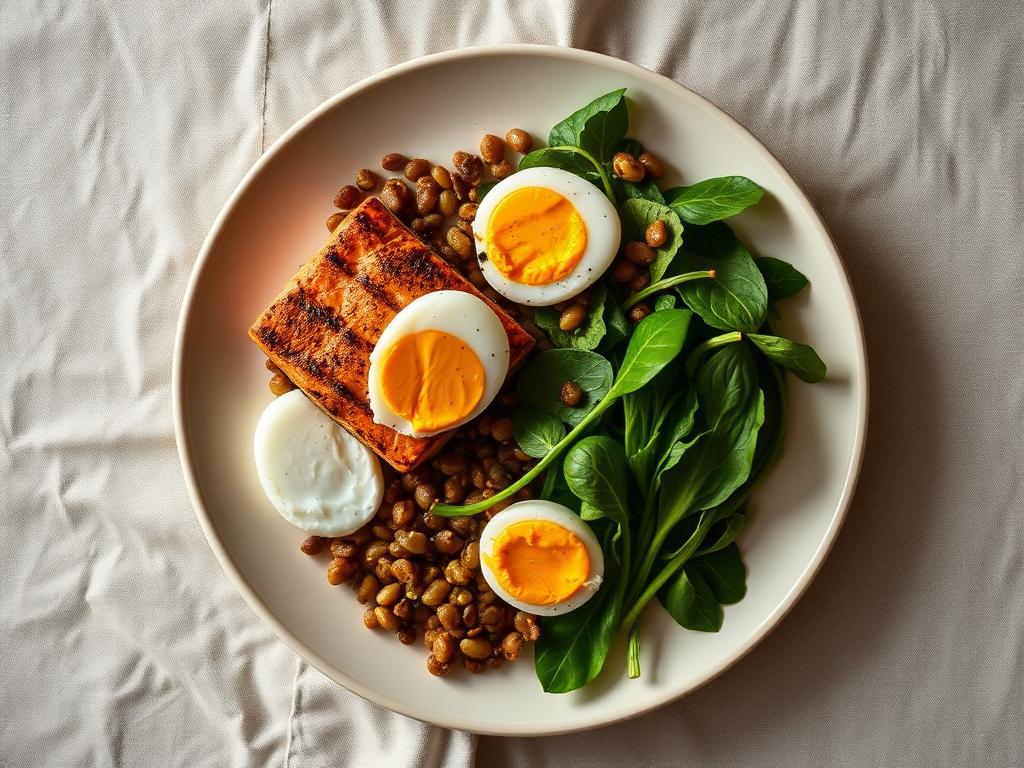
Bone has a protein framework that gives it strength. Without it, you lose muscle, which means less support for bone and more falls. Spread protein across the day, not all at dinner.

1.0–1.2 g per kg/day
Get Calcium From Food First
04 · Nutrition · food first

Get Calcium From Food First

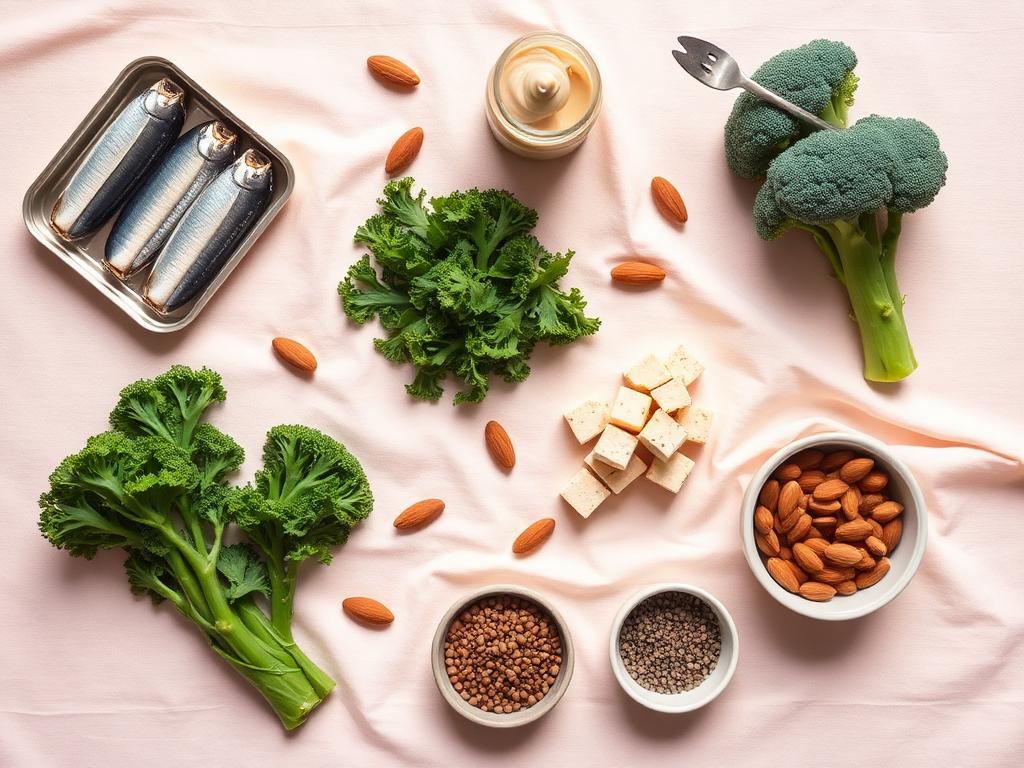
Sardines, canned salmon with bones, calcium-set tofu, fortified plant milk, white beans, broccoli, bok choy, kale, tahini, almonds, chia, dairy if tolerated. Total target — food plus supplements combined.

≈ 1,200 mg/day total
Check Vitamin D
05 · Test, don't guess

Check Vitamin D

Vitamin D helps absorb calcium, but more isn't a shortcut. The goal is an adequate blood level — not the highest number on the test. Dose to your labs, history, and sun exposure.

Dose by 25-OH-D level
Don't Ignore Estrogen
06 · Hormones

Don't Ignore Estrogen

Menopausal hormone therapy can help prevent bone loss in appropriate patients. Hormones are one member of the bone-health team — not the whole team. Discuss benefits and risks individually.

Personal decision
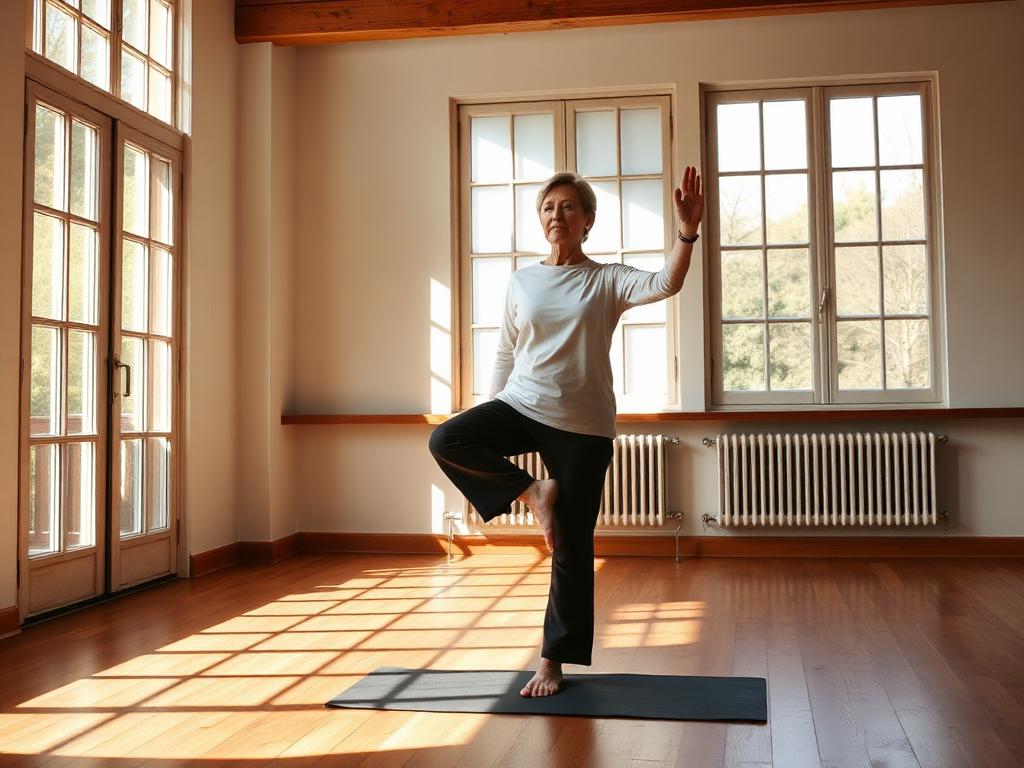
Balance & Fall Prevention
07 · Fall prevention

Balance & Fall Prevention

A stronger bone can still break in a hard fall. Single-leg stands at the counter, heel-to-toe walking, tai chi, or bone-safe yoga. Also check vision, footwear, rugs, lighting, and sleep meds.

Several short sessions/week
Cut Back on What Steals Bone
08 · Avoid

Cut Back on What Steals Bone

Smoking, heavy alcohol, very-low-calorie or crash diets, too little protein, overtreated thyroid, long-term steroids, and lack of movement all quietly subtract from your skeleton.

Daily habits
When to repeat the DEXA

Rescan timing should be personal — not automatic

Most patients

Often rescanned around 2 years. Mild, stable osteopenia may not need testing as often. Whenever possible, repeat at the same facility and on the same machine — small differences between scanners make results harder to compare.

Earlier follow-up

Sooner with rapid bone loss, a new fracture, medication changes (especially starting or stopping HRT or steroids), or major risk factors.

When medication is worth discussing

Not wanting medication is reasonable. Refusing to discuss it isn't.

  1. 01
    A hip or vertebral fragility fracture has already happened.
  2. 02
    A T-score in the osteoporosis range (≤ −2.5).
  3. 03
    Osteopenia with a high FRAX score.
  4. 04
    Ongoing bone loss despite addressing other causes.
  5. 05
    Long-term steroid (prednisone) exposure.
  6. 06
    A very high fall or fracture risk profile.
  7. 07
    FRAX ≥ 3% 10-year hip fracture risk or ≥ 20% major osteoporotic fracture risk (US thresholds).
The full map

Every option worth exploring, in roughly the order they belong

Confirm the diagnosis, look for the cause, do the lifestyle work, monitor — and then discuss medication based on your real fracture risk, not just a single number.

Start here

DEXA Scan

The baseline. Screen at 65, earlier with risk factors. T-score −1.0 to −2.5 is osteopenia; below −2.5 is osteoporosis.

Start here

FRAX 10-Year Risk

Adds age, BMI, family history, meds, smoking, alcohol, and prior fracture to the T-score. Two women with the same scan can have very different risk.

Start here

Look for the Cause

Vitamin D, PTH, thyroid, calcium, celiac, sex hormones, kidney function. Don't accept "take calcium and come back in two years" as a plan.

Lifestyle

Strength + Impact Training

Resistance training 2–3×/week plus safe impact work is as foundational as any medication for early-stage bone loss.

Lifestyle

Food-First Calcium + Protein

Aim for ~1,200 mg calcium/day from food and supplements combined, plus 1.0–1.2 g protein per kg per day.

Lifestyle

Hormone Evaluation

Menopausal hormone therapy can help prevent bone loss in appropriate patients — best discussed under 60 or within 10 years of menopause.

Monitor

Repeat DEXA

Often around 2 years, but personal. Mild stable osteopenia waits longer; rapid loss, new fractures, or med changes need earlier follow-up. Same facility, same machine.

Monitor

Bone Turnover Markers

Blood and urine markers (CTX, P1NP) can show whether you're actively losing bone right now, between DEXA scans.

Medication

Bisphosphonates

Alendronate, risedronate, zoledronic acid. First-line for osteoporosis and high-risk osteopenia. Take on empty stomach, stay upright 30 minutes.

Medication

Denosumab (Prolia)

Twice-yearly injection. Powerful, but stopping causes severe rebound bone loss — never start without an exit plan.

Medication

Anabolic Agents

Teriparatide, abaloparatide, romosozumab — actually build new bone. Reserved for severe osteoporosis or prior fragility fracture.

Adjunct

Fall-Prevention PT

Balance work, vision check, footwear, home hazard sweep. Most fractures aren't from weak bone alone — they're from falls weak bone couldn't survive.

Want help sorting through your options?

If you'd like support with hormone therapy and a menopause-aware bone-health plan, book a free call with our team.

Book your free consultation
Bisphosphonates vs. BHRT · the honest comparison

Estrogen keeps the bone bank from being robbed. Bisphosphonates put a lock on the vault.

Bisphosphonates aren't "evil" — but they aren't candy either. They can be lifesaving for the right patient. They are also overprescribed to women whose real issue is estrogen loss, low vitamin D, or untreated thyroid disease. The honest question isn't "do I have osteopenia?" — it's "what is my actual fracture risk?"

Bisphosphonates

Fosamax · Actonel · Boniva · Reclast

Slow down osteoclasts — the cells that break down bone. That reduces bone turnover and lowers fracture risk in patients who truly need it. Considered first-line for osteoporosis, fragility-fracture history, or high-FRAX osteopenia.

Upside

Proven fracture-risk reduction at the hip and spine.

Common risks

Reflux, esophagitis, nausea — oral forms need strict dosing (empty stomach, upright 30 min).

Rare but serious

Osteonecrosis of the jaw, atypical femur fractures — usually with longer use.

Reassess at

3–5 years of oral therapy, or after several IV doses — a real stop-and-think moment, not "forever."

BHRT / Menopausal hormone therapy

Estrogen — sometimes with progesterone

Restores some of the hormonal environment your bones evolved with. In the WHI trials, hormone therapy reduced osteoporotic fractures. For many menopausal women, it's a logical foundation when estrogen loss is part of why density dropped.

Upside

Prevents ongoing bone loss + treats hot flashes, sleep, mood, GU symptoms.

Best window

Under age 60 or within 10 years of menopause — when the risk-benefit math is most favorable.

Not enough alone

For established osteoporosis or prior fragility fracture, hormones may not be sufficient by themselves.

Personalized

Type, route, dose, history, breast and clotting risk all factor in — never one-size-fits-all.

Dr. Tammy's clinical take

"Some women need the estrogen. Some need the lock on the vault. Some need both. But nobody should be handed a prescription without knowing why."

For osteopenia with good estrogen, good D, no fragility fracture, and a low FRAX: lead with food-first calcium, protein, progressive resistance training, impact work, fall prevention, magnesium, vitamin K, thyroid + parathyroid evaluation, and a repeat DEXA in 1–2 years. For osteoporosis, a prior fragility fracture, a T-score below −2.5, or a high FRAX score: bisphosphonates (or anabolic agents) deserve a real, not fear-based, conversation — and BHRT may sit alongside them, not instead of them.


Get the printable guide

The Osteopenia Action Guide — checklist, food-first calcium list, questions for your clinician, and a simple weekly strength plan.

Because "wait until it gets worse" is not a treatment plan.

Instant PDF · No spam · Unsubscribe anytime